Brightside Health
- 4.0
- Rating
- 50.00K
- Installs
- Free
- Price

 Analysis by App-foxy
Finding mental health support can be difficult when the first step feels like another appointment to organize. Brightside Health takes a virtual-care approach, placing access to mental health services inside a mobile app rather than asking you to begin with a traditional clinic visit. I reviewed it as a medical app from Brightside Health Inc, and my overall impression is that it is most useful for people who want a more structured route into remote care, not for anyone looking for a simple mood tracker or a replacement for urgent help.
The app is free to install and is rated for Everyone, which makes trying the mobile experience relatively easy. That point matters, but I would not confuse free access to an app with free medical treatment. The practical value depends on what care is available to you through the service and what arrangements apply when you move beyond the app itself. In other words, the download has no purchase price, while the cost of care should be considered separately and checked before you commit to an ongoing plan.
How Brightside Health fits into everyday mental health care
I’d use this section to judge Brightside Health by the job it is meant to do: helping someone approach mental health care remotely, rather than keeping them occupied with general wellness content. The useful question is whether that kind of structured starting point fits your circumstances, and the next section considers how its current app version frames that experience.
You May Also Like

 Blood Strike: 2.5 Anniversary
Blood Strike’s Loadouts Turn Every Drop Into a Tactical Gamble
A close look at Blood Strike’s custom loadouts: how fast access to signature weapons reshapes its battle royale rhythm, rewards preparation, and narrows the gap between fights.

 Pandora - Music & Podcasts
Pandora’s Music Is Easy to Start, but Harder to Recover
Pandora’s strength is its low-effort path from a seed to a station. Its weak spot is how much confidence it asks you to place in connection, setup, and quiet recovery.

 8 Ball Pool
 Is Built on Rivalries, Rematches, and Routine
A close look at the rivalries, rematches, shared routines, and unanswered safety questions that turn a quick pool match into a persistent mobile community.

 Samsung Music
’s Quiet Strength Is Playing What You Already Own
Its reach comes less from spectacle than from dependable access to a personal library. That simplicity is both the app’s strongest retention engine and its ceiling.

 AccuWeather: Weather Radar
AccuWeather Review: A Quick, Clear Forecast for Everyday Decisions
For everyday plans, the best forecast is the one you can understand quickly. AccuWeather makes rain timing, radar, and local conditions easy to act on, with a few trade-offs.

 Hill Climb Racing
Why Hill Climb Racing Still Turns Crashes Into One More Run
A tiny car, a bumpy hill and one more upgrade: Hill Climb Racing keeps resurfacing because its simple chaos makes every near-miss feel personal.
More From Our News Desk
View All News


A virtual-care starting point rather than a self-help toy
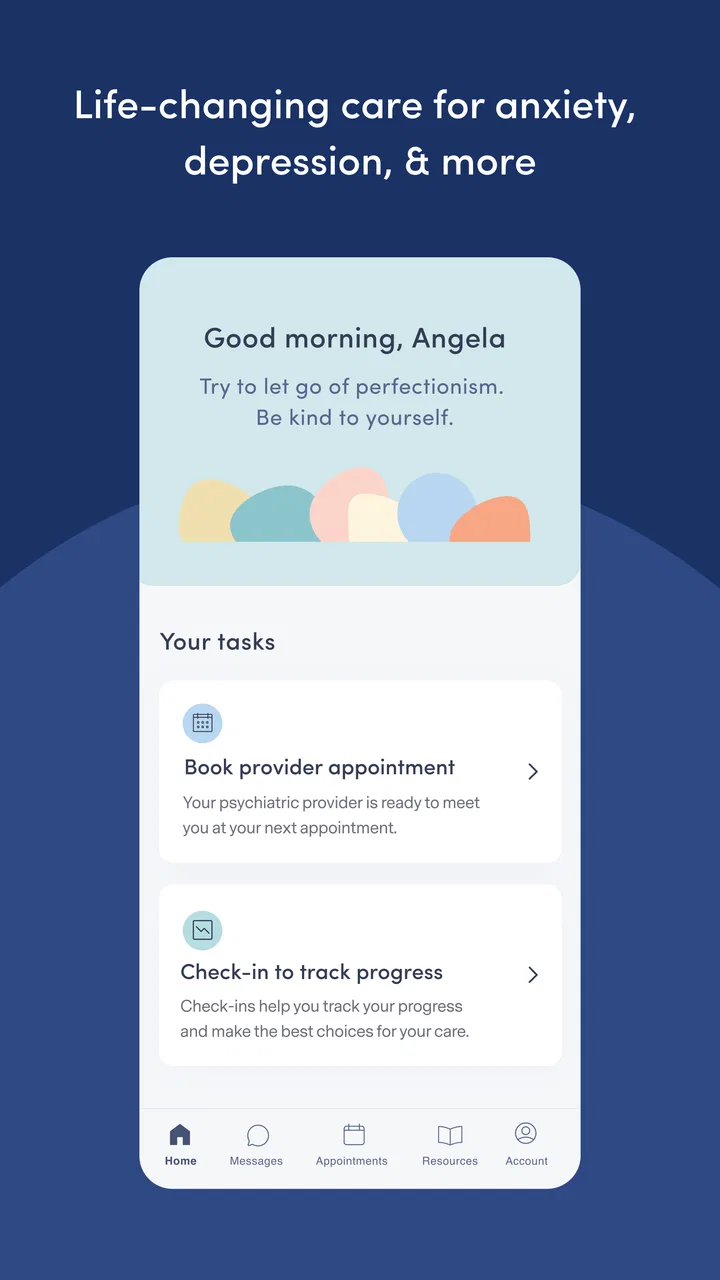
Brightside Health is designed around virtual mental health care. That distinction helped me understand where it belongs on a phone. It is not simply a collection of inspirational messages, breathing exercises, or daily questions. Its purpose is closer to helping a person engage with professional care remotely, which can be valuable when distance, mobility, work hours, or discomfort with a waiting room makes in-person support harder.
I would describe the app as a doorway into a care process. The phone is convenient, but the important question is whether the process suits your needs. Someone who already knows they want professional support may appreciate having a digital route to begin. Someone who only wants a private journal or a quick way to record emotions may find the medical focus heavier than necessary.
That difference is easy to miss when browsing app stores. A virtual-care app should be judged by how well it helps a person move from concern to appropriate support, not by how many minutes it can fill with wellness content. Brightside Health makes more sense for a user who is ready to take a concrete step than for someone casually experimenting with mental health technology.
What using it may feel like in a busy week
Imagine a person who has been struggling to concentrate during the workday and keeps postponing a clinic appointment. They have a lunch break, a phone, and enough privacy to handle a short health-related task, but not enough flexibility to travel across town. For that person, a virtual option can reduce the logistical barrier. They can begin from a familiar device and keep the process connected to the place where they already manage other parts of life.
The same scenario also shows the limitation. A phone cannot create privacy where none exists. If you share a room, use a work device, or worry that family members may see notifications, the convenience can become stressful. I would plan the first interaction for a quiet, private setting and avoid treating the app as something to open casually in a crowded place.
Another practical tip is to use the app when you have enough time to read carefully and think honestly, rather than rushing through a screening or care-related step while distracted. Digital care can feel quick, but the quality of the information you provide still matters. A hurried answer may not represent what you are actually experiencing.
The developer, availability, and what the numbers suggest
The developer is Brightside Health Inc, and the app has reached over fifty thousand installs. Its average rating is 4.0 from around two thousand six hundred ratings, alongside roughly nine hundred reviews. I see those figures as a sign of meaningful public use, but not as proof that every person will have the same experience. Mental health care is especially personal: a workflow that feels reassuring to one user may feel too formal, slow, or impersonal to another.
The app was released on May 25, 2023, and the current version is 17.92.0. It supports Android 7.0 and later, so people with older but still usable Android phones may be able to access it. I would still keep the operating system updated where possible, particularly for a medical app, because reliability and device security matter more here than they do for a casual game.
What you are actually paying for
Brightside Health is free to download, and that is the clearest cost advantage. You can install the app without paying an upfront purchase fee. However, the app’s free status should be read narrowly: it describes access to the application, not a guarantee that every clinical service available through it is free.
Before sharing extensive personal information or planning around treatment, I would check the service’s current payment and coverage details directly. Look for the difference between using the app, arranging an appointment, receiving professional care, and any continuing service. Insurance, eligibility, location, or personal circumstances can affect the real cost, so the sensible approach is to confirm those points before assuming the entire experience has no charge.
This is also why I would not compare it with a paid meditation subscription on price alone. A meditation app sells access to a content library; Brightside Health is positioned around virtual mental health care. The services are not interchangeable, and a free download does not make them financially equivalent.
Where the app delivers value
The strongest value is convenience with a medical purpose. If the alternative is doing nothing because arranging in-person care feels overwhelming, a phone-based route may be genuinely useful. The app can make the first action feel more manageable, especially for someone who prefers written digital steps before speaking with a professional.
I also see value in having care-related activity separated from general social apps. Opening a dedicated medical tool can create a clearer mental boundary than searching for advice through videos, forums, or social feeds. Those sources may offer comfort, but they can also be inconsistent, alarming, or poorly matched to an individual situation. Brightside Health is a better fit when you want to approach support as health care rather than as casual browsing.
A less obvious benefit is continuity of intention. When someone decides to seek help during a difficult evening, the hardest part may be remembering to act the next morning. Keeping the app on the phone can preserve that next step. I recommend placing it somewhere visible but private, and writing down the questions you want answered before starting. That small preparation can make a digital consultation more focused.
Three practical ways to get more from it
First, prepare a short personal summary before using the service. Note what has changed, how long it has affected you, what makes it better or worse, and how it interferes with ordinary responsibilities. This is more useful than trying to produce a perfect explanation in the moment. It also reduces the temptation to minimize symptoms simply because you are typing on a small screen.
Second, treat the app as part of a wider support plan. Keep contact details for a trusted person accessible, know how you would reach local emergency help, and do not make the app your only safety net. This is not a criticism of Brightside Health; it is a basic boundary for any remote medical service. An app can help connect you with care, but it cannot replace immediate, in-person assistance during a crisis.
Third, review your own comfort with digital communication after the first interaction. Some people find it easier to be open through a phone, while others need the warmth and immediacy of sitting with a clinician. If you notice that typing or waiting increases your anxiety, that is useful information. A different format may serve you better, even if this app is technically convenient.
Tradeoffs that deserve attention
The main tradeoff is convenience versus human presence. Virtual care removes travel and can fit around a demanding schedule, but the screen may feel distant when you need reassurance. It also places more responsibility on you to describe what is happening accurately and to notice when your needs exceed what remote care can comfortably provide.
There is a second tradeoff between structure and flexibility. A medical-care workflow can keep a person moving toward a useful next step, but it may not feel as open-ended as a personal journal or an informal wellness app. If you want to explore feelings without entering a care process, Brightside Health may feel more serious than you need.
Privacy is another real consideration. I would use a personal device, protect it with a lock, and think about who can see notifications or access the phone. I would also avoid discussing sensitive matters aloud if other people are nearby. These habits are not unique to Brightside Health, but they are particularly important when an app is connected to mental health care.
Finally, remote access is not the same as universal suitability. A person with severe symptoms, immediate safety concerns, or a need for physical assessment should seek appropriate urgent or local care rather than waiting for an app-based process. Brightside Health can be a useful route for virtual support, but no mobile service should be treated as an emergency response system.
Who is likely to get the most value
I would recommend considering it if you want professional mental health support without making an initial trip to a clinic, have a reasonably private way to use your phone, and are comfortable communicating through a digital service. It may also suit people who find the first step of calling a provider intimidating and prefer to begin with a guided mobile experience.
It is less suitable for someone seeking only free self-guided exercises, a mood diary, or entertainment. Those users may be better served by a focused journaling or mindfulness app, because Brightside Health’s value is tied to its virtual-care purpose rather than to lightweight daily content.
I would also hesitate to recommend relying on it alone if you need immediate intervention, detailed physical evaluation, or the strong personal connection of face-to-face therapy. In those situations, a local clinician, urgent service, or emergency resource may be the better option. Choosing another route is not a failure; it is good judgment about the level and type of help required.
My final view on free access and real value
Brightside Health is worth considering when the barrier is access to organized virtual mental health care. The free installation lowers the risk of exploring the app, and the Everyone rating makes it broadly approachable from an age-label perspective. Its rating of 4.0 shows a generally positive reception with room for individual differences, rather than a reason to expect a flawless experience.
My recommendation comes with one important condition: confirm the cost of the actual care before assuming the service is entirely free. The app itself costs nothing to install, but medical support should be evaluated through its own payment or coverage terms. That distinction is the most important value lesson here.
For me, the app’s best use is as a practical first doorway for someone who is ready to seek help and needs a remote option. I would skip it as a casual wellness download, and I would never use it as a substitute for urgent assistance. If those boundaries fit your situation, Brightside Health is a sensible virtual mental health starting point, especially when convenience is the difference between taking action and putting care off again.
Overall, I would recommend giving it a careful look, using a private device, preparing your questions, and checking the financial details before moving forward. That approach respects both the app’s strengths and its limits, and it gives you a much clearer idea of whether this particular form of care belongs in your support plan.
FAQs for Brightside Health
01What is Brightside Health, and what services does it provide?
Brightside Health is an online mental health service that connects users with licensed providers through a digital platform. Depending on your plan and location, it may offer therapy, psychiatric care, medication management, or a combination of these services. The app is designed for ongoing support rather than emergency treatment, so users should review available services before scheduling an appointment.
02How does the Brightside Health treatment process work?
After creating an account, you typically complete an assessment covering your symptoms, goals, medical background, and treatment preferences. Brightside then uses this information to help match you with an appropriate provider or care option. Therapy and psychiatry appointments are generally conducted remotely, while treatment plans and follow-up recommendations may vary according to your needs and the services available in your area.
03Can Brightside Health prescribe medication?
Brightside Health may provide psychiatric evaluations and medication management through qualified medical professionals, although availability depends on your location, eligibility, clinical assessment, and selected plan. A prescription is not guaranteed, and providers decide whether medication is appropriate. Some medications or conditions may require in-person care, additional medical information, or referral to another healthcare professional.
04How much does Brightside Health cost, and is it covered by insurance?
Pricing can vary based on whether you choose therapy, psychiatry, medication management, or a combined program. Insurance participation, copays, deductibles, and self-pay rates also depend on your location and plan. Before beginning treatment, carefully review the current pricing and billing information shown during registration, because subscriptions, appointments, medication costs, and insurance coverage may be handled separately.
05Is Brightside Health suitable for mental health emergencies?
Brightside Health is intended for scheduled, ongoing mental health care and should not be treated as a replacement for emergency services. If you are in immediate danger, considering suicide, experiencing a serious medical crisis, or unable to stay safe, contact local emergency services or a crisis hotline immediately. Users should also confirm the platform’s response times and communication limits before relying on it for urgent support.
Pros
- Licensed clinicians provide therapy and psychiatric care online.
- Appointments are available from home
- reducing travel and waiting-room time.
- Treatment plans can combine medication management and therapy.
- The platform may help coordinate care for anxiety and depression.
- Digital visits can be convenient for people with busy schedules.
Cons
- Availability and services may vary by state and insurance plan.
- It is not designed for psychiatric emergencies or crisis situations.
- Medication may require follow-up visits and pharmacy coordination.
- Some users may prefer in-person care for complex mental health needs.
- Video appointments depend on a stable internet connection and private space.

Brightside Health
Gallery